Can Dentists Handle Kid Behavioral Issues?

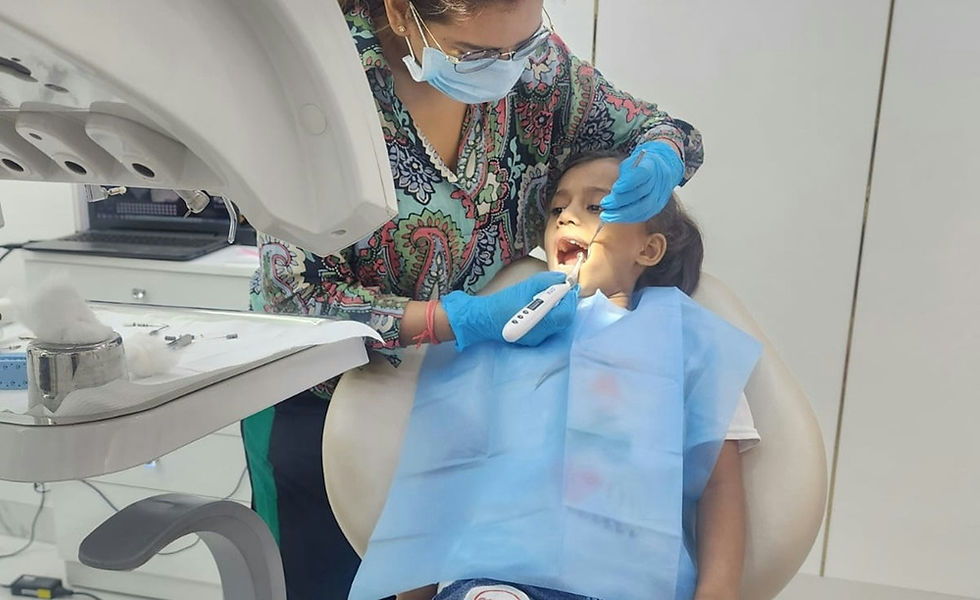
Your child screams the moment they see the dental chair. You feel embarrassed and wonder if the dental care office for kids can actually help.
The truth is, pediatric dentists deal with this every day, but there are clear limits to what they can do.
What Can Dentists Actually Do for Difficult Kids?
Dentists have specific training and tools to manage challenging behavior, but success depends on the child and situation.
Most pediatric dentists learn behavioral management techniques during their training. They use methods like tell-show-do, where they explain what will happen, show the tools, then do the procedure. This helps kids feel more in control.
Some offices offer nitrous oxide (laughing gas) to help anxious children relax. Research shows that 70% of children respond well to this mild sedation option. Dentists can also use protective stabilization - gentle restraints that keep kids safe during treatment.
The physical setup matters too. Many dental care offices for kids have colorful walls, toys, and TVs to distract children. Some dentists wear fun scrubs or use child-friendly language to make the experience less scary.
Positive reinforcement works well. Most offices have reward systems like stickers or small prizes. Studies from the American Academy of Pediatric Dentistry show that consistent rewards improve cooperation rates by up to 60%.
But here's the reality - these techniques work best with mild to moderate anxiety. Severe behavioral issues require different approaches.
What Are Dentists' Limitations?
Dentists cannot and should not force treatment on extremely uncooperative children for safety and ethical reasons.
Safety comes first. If a child is hitting, kicking, or could hurt themselves or staff, dentists must stop the procedure. They're not trained to handle severe behavioral outbursts that go beyond normal dental anxiety.
Legal and ethical boundaries exist too. Dentists cannot use excessive restraints or continue treatment against a child's will without proper protocols. Most states have strict guidelines about when protective stabilization can be used.
Some children need sedation or general anesthesia for dental work. Not every office offers these services. You might need a referral to a hospital or specialized clinic for complex cases.
Dentists also can't fix underlying behavioral or developmental issues. Kids with autism, ADHD, or other conditions may need additional support that goes beyond what a regular dental office provides.
How Should You Prepare Your Child at Home?
Your preparation at home makes the biggest difference in how your child behaves at the dental office.
Start talking about the visit days before, not minutes before. Use simple words like "tooth counting" instead of "examination." Avoid scary words like "drill," "shot," or "pain."
Read books or watch videos about dental visits together. Many libraries have age-appropriate books that show kids what happens during checkups.
Practice at home. Have your child lie back and open their mouth while you count their teeth. Make it fun, not scary. You can even use a small flashlight to look in their mouth.
Pick the right appointment time. Morning visits usually work better because kids are less tired and cranky. Avoid scheduling right before naps or meals.
What's Your Role During the Actual Visit?
Your behavior and attitude directly impact how your child acts during treatment.
Stay calm, even if your child melts down. Kids pick up on your stress faster than you think. If you're anxious, they will be too. Take deep breaths and project confidence.
Let the dental team lead. They know what works best in their office. Some dentists prefer parents in the room, others work better when parents wait outside. Trust their judgment.
Don't make promises you can't keep. Saying "it won't hurt" when you don't know is a mistake. Instead, focus on how brave they're being or how proud you are of them trying.
Avoid giving conflicting instructions. If the dentist asks your child to open wide, don't also tell them to "be good." Too many voices confuse kids and make cooperation harder.
When Do You Need a Specialist?
Some situations require pediatric dentists with advanced behavioral management training or hospital-based care.
Children with special needs often need dentists who specialize in treating patients with developmental disabilities. These offices have modified techniques and extra training.
If your child consistently cannot tolerate basic procedures after multiple attempts, discuss sedation options. Some kids need IV sedation or general anesthesia for even simple cleanings.
Severe dental phobia that affects daily life might need help from a child psychologist who specializes in medical anxiety. This goes beyond what dentists can handle alone.
Multiple failed visits usually indicate the need for a different approach. Don't keep trying the same thing hoping for different results.
What Actually Works Long-Term?
Building positive dental experiences takes time and consistency, not quick fixes.
Frequent, short visits work better than rare, long appointments. Most pediatric dentists recommend cleanings every six months starting around age one. This helps normalize the experience.
Consistency between home and the dental office matters. Use the same words and approach that your dental team uses. Mixed messages confuse children and slow progress.
Celebrate small wins. Getting through an exam without a cleaning still counts as success. Acknowledge effort, not just perfect behavior.

FAQs
What if my child has a complete meltdown?
Stay calm and follow the dental team's lead. Meltdowns are normal and most children improve with repeated visits and patience.
Can I stay with my child during treatment?
Most dental care offices for kids welcome parents for young children, but policies vary. Some older kids actually do better without parents present.
How young is too young for dental visits?
The American Academy of Pediatric Dentistry recommends first visits by age one or within six months of the first tooth appearing.
When should I consider sedation?
If behavioral techniques consistently fail and your child needs treatment, discuss sedation with your pediatric dentist. Options range from mild nitrous oxide to general anesthesia.
Remember, most behavioral issues improve with time, patience, and the right approach. Working together with your dental care office for kids gives your child the best chance for positive dental experiences.


Comments